
NHS Blood and Transplant is calling on one million people in the UK to register their decision to be an organ donor. The plan announced today (5 August) is to increase the number of people on the NHS Organ Donor Register - aiming for 30 million people to be registered donors by the end of the year.
The challenge of gaining over a million first time registrations by the start of 2027 is designed to tackle the growing dilemma of declining family consent rates and ensure more lifesaving transplants can go ahead.
It comes as new figures published today, show that family consent or authorisation across the UK has dropped from 69% in 2020/21 to just 57% in 2025/26 - a fall of almost a fifth in 5 years - at the very moment when more people than ever are waiting for a life-saving transplant.
Organ donation is far more likely to proceed when someone has recorded their decision on the NHS Organ Donor Register. Last year, almost 90% of families supported donation when they knew their loved one had made their wishes clear.
Despite strong public support for organ donation in principle, consent at the time of death is falling. Almost 29 million people in the UK have already expressed their wish to donate by joining the NHS Organ Donor Register – with 18 to 34-year-olds making up almost 40% of sign-ups (11.2 million).
NHS Blood and Transplant's new ambition signals a clear national call to action: to close the gap between the public's support for donation and the number of people who formally record their decision, and to ensure that every potential donor has the best chance of saving lives.
Last year, 167 families overruled their relative's registered or expressed decision to donate. (1)
In a further 602 cases (55% of those approached), families did not support donation where consent was presumed under the deemed consent system, because their loved one had not recorded a donation decision. (2)
This equated to more than 2,000 lost opportunities for transplant. (3)
Under 'deemed consent’ donation can still only go ahead with the family's support, which is why it remains so important to make your decision known via the NHS Organ Donor Register and leave your loved ones certain of your decision.
Sue and John's story
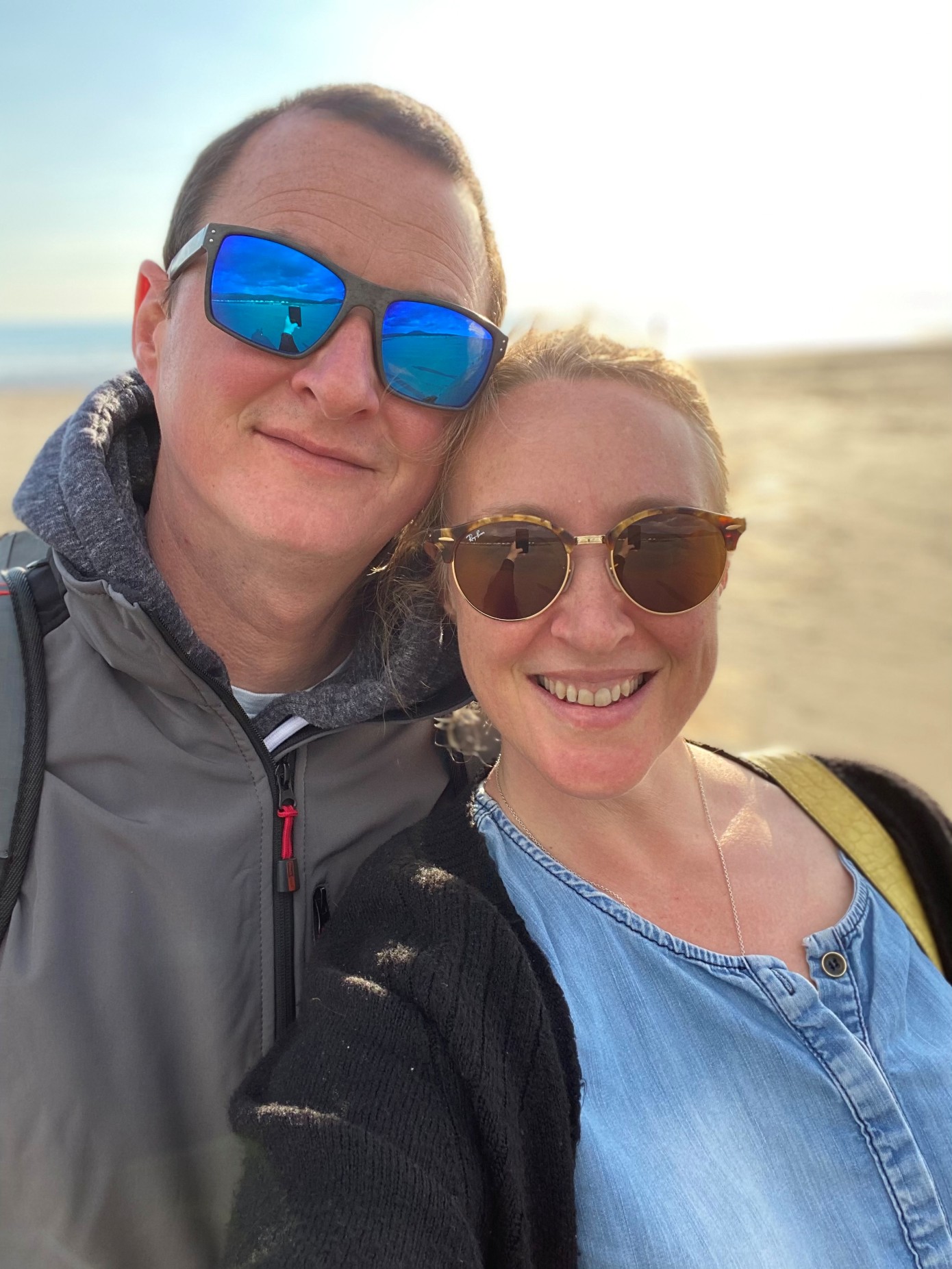 Sue Walker, 50, from Warrington knew her husband, John, wanted to be an organ donor as he had recorded his decision on the Organ Donor Register and discussed it with his family many times – and when he died there was no hesitation in supporting John’s final decision to help give someone else a life when his tragically ended.
John died suddenly aged 48, in November 2025 following a pulmonary embolism. His liver and kidneys saved the lives of 3 men, aged in their 20s, 30s and 40s. Sue says donation was the pinnacle of his generosity - his final gift.
"We'd travelled to Scotland as a family – me, John and our daughters Charlotte and Sadie – for what we lovingly called 'the dog's holiday' as we went abroad in the summer and took the dog somewhere with us in October half term", said Sue.
"John had been a bit unwell and was getting short of breath, and although a pharmacist and GP advised caution, there was no sense of emergency as they thought it was just a viral infection.
"The next day, John struggled to walk far and asked to return home early. I repeatedly offered to drive, telling him I had a really bad feeling, but John insisted on continuing the journey. When we arrived home to Warrington, John collapsed and said, "I need you to ring 999."
Paramedics suspected John had suffered a heart attack, but hospital tests revealed a pulmonary embolism. Despite treatment, John went into cardiac arrest. He was resuscitated after 40 minutes, but Sue - who works with brain injury clients - recognised the potentially devastating implications.
"I went to see him and there was no life in him at all," Sue continued. "John had had a brain scan and when the doctor came to see me, we hadn't had the formal results, but he knew there was no activity and he was going to die.
"That's when I was introduced to the Specialist Nurses. They were amazing. When they brought up the subject of organ donation, I immediately said 'yes'. He wanted to be a donor. There's no question. He was a real loving family man; a very generous man and we'd discussed organ donation so many times in our 18 years together – so who was I to deny him his final wish?"
Ashleigh's story
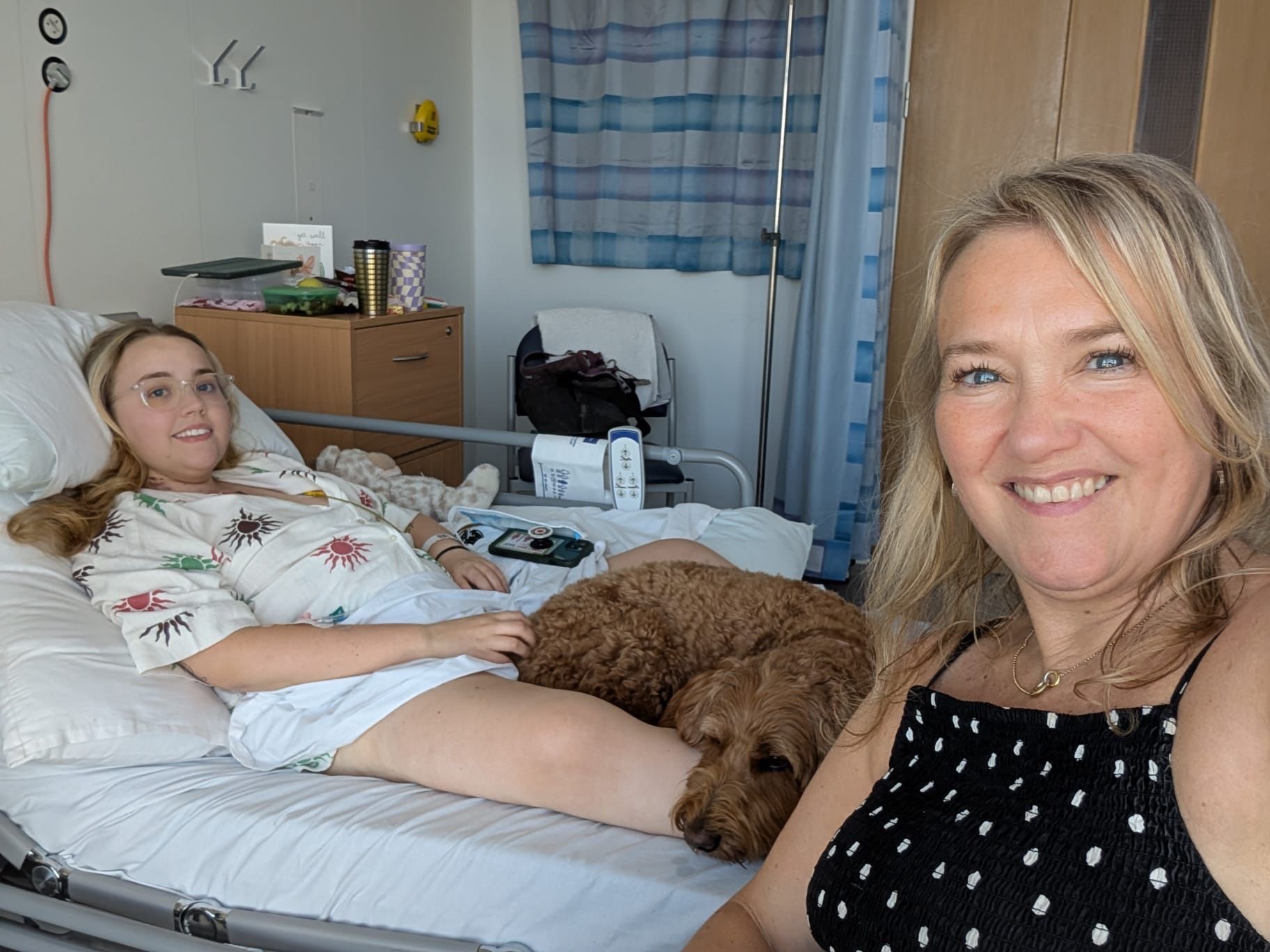 One person who knows how vital it is for families to support their loved one's decision is 26-year-old Ashleigh Tucker from Coventry. She received a heart transplant earlier this year due to Hypertrophic cardiomyopathy – a thickening of the heart muscle. The transplant wouldn’t have been possible without her donor's family supporting their decision to give life to another.
"I had pneumonia when I was 10 months old and the virus attacked my heart which resulted in a dilated cardiomyopathy," said Ashleigh.
"It wasn't until I was 15, that the consultant at Birmingham Children's Hospital said it was hypertrophic – which means my heart muscle was becoming thicker. I was listed when I was little for a transplant at Great Ormond Street, but I got better and was taken off the list as they didn’t think it would benefit me at that time.”
Once Ashleigh was an adult, she was transferred to a different team at the University Hospital Coventry and Warwickshire, and they put her on new medication. She was stable for a while, but during COVID times everything felt harder. Ashleigh was constantly breathless, exhausted, and things started getting worse. She continues:
"In November 2021, I ended up in hospital with bronchitis. They did an echocardiogram and found I was in heart failure. Hearing those words changes everything. The last few years were up and down. Some days just getting out of bed left me gasping. I tried rehab and new meds. I was in and out of hospital with chest pain and suspected myocarditis. It felt like every time I tried to get back on my feet; something knocked me back down."
Ashleigh was then referred to Queen Elizabeth Hospital in Birmingham where she was assessed and listed for transplant last summer and spent nine months waiting, not knowing when the call would come.
"I’d just come out of hospital after eight days and barely been home a week when the call came. It was a massive shock - QE had told me nothing was changing, so I wasn't expecting anything at all. So, I was in shock when I got the call, she said.
"A heart had come in for someone on the super‑urgent list, but they were too sick for surgery. Because it was fast‑track, they needed someone close by, and they thought I was a match. I went completely blank. I was working from home, my mum was too, and I just pointed at my phone and then at my chest. I couldn't speak. I was shaking. It didn't feel real.
"Around half 7 they took me down for my transplant. Even then, they couldn’t be certain until I was asleep that it would be viable and would go ahead as they needed to do extra checks. And because I'd had a defib fitted when I was 18, they told me the surgery would take longer."
Ashleigh's transplant went ahead and was successful. Now a few months down the line she is still in slow recovery. She still gets tired and her muscles are still weak, but she is soon to be starting cardiac rehab which will help with her recovery – none of which would have been possible without her donor family saying 'yes' to donation.
"I don't think there are enough words for what donation really means to us as a family. It's a crazy situation - the hardest thing a family will ever face - and somehow it still becomes a lifeline for someone else. Thank you just doesn't seem enough.
"You can't imagine losing someone you love. But maybe there's a tiny bit of comfort in knowing that, through their gift, they've helped people keep living."
Sadly, every day someone dies waiting for a transplant. Last year 434 patients died waiting, and a further 899 patients were removed from the transplant list due to deteriorating health. Many of these patients would have died shortly afterwards.
Statement from Anthony Clarkson
Anthony Clarkson, Director of Organ and Tissue Donation and Transplantation at NHS Blood and Transplant said;
"Family support for organ donation has been in steady decline over the last few years, and we need to reverse that trend. We understand that when families are approached about organ donation, they may be expected to make difficult decisions at an already tragic time. That’s why we are asking people in the UK to be 'One in a Million' and drive up the number of people on the NHS Organ Donor Register to 30 million by the start of 2027. It gives your family that certainty that you want donation to go ahead and it's expected that they honour that decision.
"For many families though, even when their loved one has expressed a wish to donate, they still override that decision for whatever reason, meaning hundreds of potential organ transplant opportunities being lost each year.
"I would urge people who haven’t already done so to express your decision to donate via the Organ Donor Register and for families to remember that decision and honour it should the time come. It's the final act you can do for them to honour their memory and leave a lasting legacy to be proud of."
Our ambition
Alongside urging more people to register their decision and speak to their families, the NHS is also working to modernise systems and invest in innovation to help improve outcomes and make more transplants possible.
At the start of the year, a new report was produced which called for a 'bolder, braver approach to organ donation.' The Organ Donation Joint Working Group (ODJWG) was put in place in response to the transplant waiting list reaching a record high and nearly 5,000 people dying waiting for a life-saving transplant in the last decade.
Support for organ donation is strong in the UK with almost 29 million people having expressed their wish to donate on the NHS Organ Donor Register.
The ODJWG report sets 3 ambitions:
- Societal action in signing on to the NHS Organ Donor Register and consent matches the high levels of public support for organ donation in principle
- A positive clinical donation culture is created through embedding the Specialist Nurse for Organ Donation within the hospital multidisciplinary team, ensuring families receive the best possible support and that the donor’s best interests remain paramount
- Improve performance monitoring and provide ethical advice on current and emerging organ donation matters
Read the latest Transplant Activity Report
You can register your organ decision online, call 0300 123 23 or use the NHS app.
Press release notes
- This is where someone has explicitly told their family and friends that they want to be a donor or have expressed a decision to donate on the NHS Organ Donor Register. Last year 167 families overruled this decision.
- There were 1092 cases where deemed consent/authorisation applied and in 602 of those cases the family did not support donation.
- This means thousands of organs were not made available for transplant. Given that the average donor gives 3 organs, this could have meant an additional 2,300 patients' lives were saved if families agreed to support their loved ones expressed decision or supported deemed consent.